

Recreational vehicles (RVs) offer the freedom to travel while enjoying the comforts of home. A critical component of any RV electrical system is the power inverter, which allows you to convert your RV battery’s DC power into usable AC power for appliances, electronics, and essential devices. Choosing the right inverter ensures reliable electricity, safe operation for sensitive devices, and efficient energy use.
At ZHENGXI, we specialize in high-quality inverters, voltage stabilizers, and transformers to provide reliable power solutions for RV enthusiasts.
Understanding RV Power Inverters
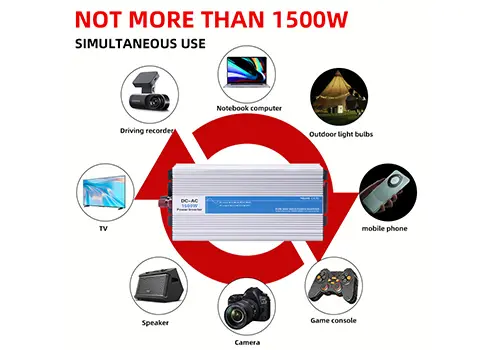
A power inverter converts DC power from your RV battery (typically 12V or 24V) into AC power suitable for household devices such as microwaves, laptops, televisions, and coffee makers. Without an inverter, most RV appliances cannot function directly from the battery system.
Key functions of an RV inverter include:
- Converting 12V/24V DC to 110–120V AC (or 220–230V in some regions)
- Supplying electricity to household-style appliances
- Protecting sensitive electronics from voltage fluctuations
- Enabling off-grid or mobile energy solutions
Modern RV systems often integrate solar panels, battery banks, and inverters to create complete off-grid energy setups. ZHENGXI’s inverter solutions are designed to work seamlessly in these advanced configurations.
Pure Sine Wave vs Modified Sine Wave Inverters
Selecting the right inverter type is crucial for appliance compatibility and performance.
Pure Sine Wave Inverters
A pure sine wave inverter produces a smooth, continuous waveform that closely mimics utility-supplied electricity.
Advantages:
- Safe for sensitive electronics (laptops, TVs, CPAP machines)
- Efficient operation for motors and compressors (refrigerators, air conditioners)
- Quiet operation with minimal electrical noise
- High energy efficiency (often above 90%)
Ideal for:
Modern RVs with multiple electronics, medical devices, and smart appliances.
Modified Sine Wave Inverters
A modified sine wave inverter produces a stepped waveform approximating AC power.
Advantages:
- Lower cost
- Suitable for basic appliances and lighting
Limitations:
- May cause humming or overheating in motors
- Reduced efficiency and potential compatibility issues with sensitive devices
Ideal for:
Basic appliances such as lights, fans, or simple heaters.

Expert Tip: For RV systems that include laptops, TVs, or other sensitive electronics, a pure sine wave inverter from ZHENGXI is recommended to ensure performance and reliability.
Calculating the Right Inverter Size
Proper sizing ensures your inverter can handle all RV appliances safely.
Step 1: Determine Total Power Consumption
List all appliances you plan to run simultaneously and note their wattage.
| Appliance | Wattage |
|---|---|
| Laptop | 100W |
| TV | 150W |
| Coffee Maker | 1000W |
| Microwave | 1200W |
Total load: 2450W
Step 2: Consider Surge Power
Some appliances require 3–9 times their normal operating power at startup, known as surge power. Refrigerators and air conditioners are common examples.
Example:
- Running power: 500W
- Starting surge: 1500W+
The inverter must handle these peaks without overloading.
Step 3: Add a Safety Margin
Adding 20–30% capacity ensures long-term reliability and reduces strain on the inverter.
Example:
- Total load: 2500W
- Recommended inverter: 3000–3500W
Typical RV inverter sizes:
| Usage | Recommended Inverter |
|---|---|
| Basic electronics | 1000W |
| Weekend camping | 2000W |
| Medium appliances | 3000W |
| Full-time RV living | 4000W+ |
Matching the Inverter to Your Battery System
Inverter selection must match your battery bank capacity. A 2000W inverter on a 12V system can draw ~167 amps at full load, draining small battery banks quickly.
| Inverter Size | Minimum Battery Bank |
|---|---|
| 1000W | 100Ah |
| 2000W | 200Ah |
| 3000W | 300Ah |
| 4000W | 400Ah |
Proper wiring, ventilation, and battery management are essential for safe operation. ZHENGXI’s inverters include integrated protections to prevent overcurrent, overheating, and low battery damage.
Technical Specifications to Consider
When comparing RV inverters, pay attention to:
- Rated power: Continuous output capacity
- Peak power: Surge capability
- Efficiency: Higher efficiency reduces energy loss
- Input voltage: 12V, 24V, or 48V systems
- Output voltage: 120V AC (North America) or 220–230V AC (Europe/Asia)
- Safety features: Overload, short-circuit, over-temperature, and low battery shutdown
Market Trends in RV Inverter Technology
RV inverter technology is evolving rapidly due to:
- Rising popularity of vanlife and mobile living
- Growing solar-powered RV systems
- Increased demand for clean and off-grid energy
Industry research from IEEE, ABB, and Schneider Electric highlights advancements in:
- Higher conversion efficiency
- Smart inverter monitoring systems
- Compact and lightweight designs
- Integration with solar charge controllers and lithium batteries
These trends make modern inverters more versatile and reliable for RV enthusiasts.
Expert Tips for Choosing the Best RV Inverter
- Opt for Pure Sine Wave for modern electronics
- Size according to actual load plus surge and safety margin
- Ensure battery compatibility for uninterrupted operation
- Prioritize safety and reliability with certified products
- Plan for future expansion of appliances or solar systems
Tip: Explore ZHENGXI’s voltage stabilizers, transformers, and off-grid power solutions to complement your RV inverter system.
Conclusion
Selecting the ideal RV power inverter requires understanding load requirements, battery capacity, and appliance compatibility.
- Pure sine wave inverters are preferred for safety and efficiency
- 2000–3000W inverters suit most recreational RVs
- Proper battery sizing and surge planning are crucial
With a well-chosen inverter from ZHENGXI, RV owners can enjoy reliable, efficient, and safe mobile power, whether for weekend trips or full-time off-grid living.
FAQ
1. What size inverter is best for an RV?
Most RVs use 2000–3000W inverters, suitable for microwaves, TVs, and coffee makers. Full-time RVs with air conditioners may require 4000W+.
2. Is a pure sine wave inverter worth it?
Yes. Pure sine wave inverters provide clean, stable AC power for sensitive electronics, run motors efficiently, and minimize noise.
3. Can an RV inverter run an air conditioner?
Yes, but it requires adequate inverter size (3000–4000W) and battery capacity to handle the running and surge power of the AC unit.




 EN
EN  DE
DE  ES
ES  FR
FR  RU
RU  PT
PT  IT
IT  JA
JA  DA
DA  PL
PL  NL
NL  TR
TR