

DC to AC inverters play a crucial role in modern off-grid systems, RVs, and portable power setups by converting low-voltage DC power (typically 12 volts) into standard 120V AC electricity. But just how efficient are these devices? And what factors influence their performance?
This article explores the efficiency of 12V to 120V inverters, including technical aspects, market applications, performance benchmarks, and expert guidance to help you choose wisely.

🔌 What Is a 12V to 120V Inverter?
A 12V to 120V inverter is a type of power inverter that takes input from a 12-volt DC source—like a deep-cycle battery or solar power storage—and outputs 120 volts of alternating current, which is the standard voltage for household appliances in North America.
⚙️ How Does the Conversion Work?
【img】
alt: Internal diagram showing DC to AC conversion circuit with transformer
The inverter uses a combination of:
- Oscillators to generate an alternating waveform,
- Switching transistors (like MOSFETs) to handle high current,
- Transformers to step up voltage from 12V to 120V,
- Filtering stages to smooth the waveform into usable AC.
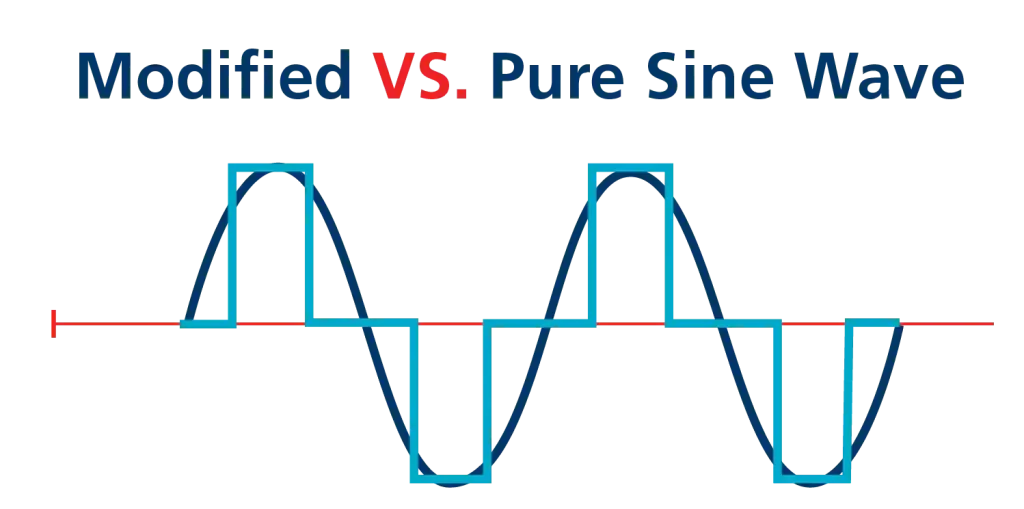
Depending on the design, this output can be a square wave, modified sine wave, or pure sine wave—each with different impacts on efficiency.
📈 Efficiency Metrics Explained
Efficiency in inverters is usually expressed as a percentage, calculated as:
Efficiency (%) = (AC Output Power / DC Input Power) × 100
Typical efficiency ratings for 12V to 120V inverters:
- 🔹 Pure Sine Wave Inverter: 88% – 94%
- 🔹 Modified Sine Wave Inverter: 85% – 90%
- 🔹 Cheap Square Wave Inverter: 75% – 85%
📊 Technical Comparison of Inverter Types
| Inverter Type | Efficiency Range | Suitability |
|---|---|---|
| Pure Sine Wave | 88% – 94% | Sensitive electronics, appliances |
| Modified Sine Wave | 85% – 90% | General use, tools, lights |
| Square Wave | 75% – 85% | Basic resistive loads only |
🧰 Applications of 12V to 120V Inverters
- RV and camper systems
- Off-grid cabins
- Emergency backup power
- Marine power systems
- Solar battery storage systems
📉 What Reduces Efficiency
Several factors affect real-world inverter performance:
- Heat Loss: High-current DC conversion generates heat.
- Waveform Quality: Modified sine wave is less compatible with modern electronics.
- No-load Power Consumption: Inverters consume power even when idle.
- Undersizing or Oversizing: Poorly matched load can reduce efficiency.
- Cable Losses: Long or thin cables increase resistance and drop voltage.
🧭 Industry Insights and Trends
According to IEEE and Bloomberg NEF, inverter technology continues to evolve with advances in:
- High-frequency switching to reduce heat
- Digital signal processors (DSP) for waveform control
- Microinverter systems for solar panels to improve modular efficiency
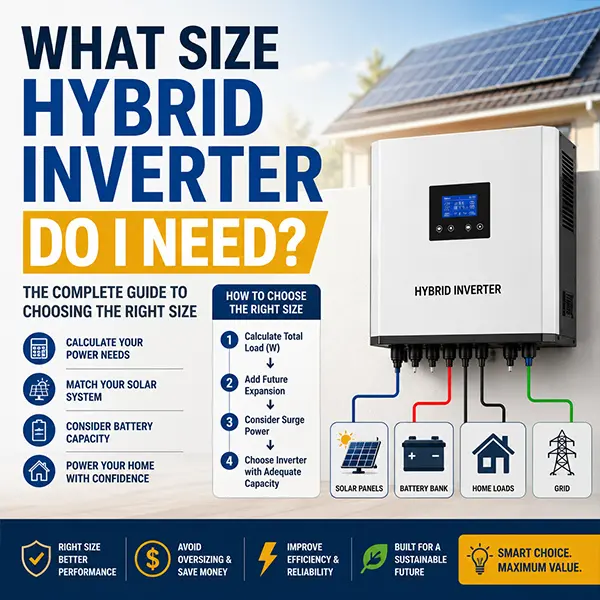
The market is also seeing a shift toward hybrid inverters that can operate with both battery and grid inputs, with efficiencies surpassing 95% in some models.
🛒 Buying Guide: How to Choose an Efficient Inverter
When evaluating inverter efficiency:
- ✅ Choose pure sine wave for critical loads
- ✅ Select right wattage rating (20–30% above your total load)
- ✅ Look for low no-load consumption (under 1 amp)
- ✅ Ensure high conversion efficiency (>90%)
- ✅ Prefer UL/CE certified products for safety and quality

📚 References and Authoritative Sources
- Wikipedia: Power Inverter
- IEEE Standards on Power Electronics (IEEE 519, IEEE 1547)
- Technical whitepapers from Victron Energy, Renogy, Schneider Electric
- Field performance studies from the National Renewable Energy Laboratory (NREL)
❓ FAQ
Q1: Are 12V to 120V inverters suitable for running refrigerators or microwaves?
A1: Yes, but only if you choose a pure sine wave inverter with adequate surge capacity. Microwaves can have high startup current.
Q2: Do longer wires affect inverter efficiency?
A2: Absolutely. Long or undersized DC cables increase resistance, leading to voltage drop and lower performance. Use thick, short cables whenever possible.
Q3: Can I run my inverter 24/7?
A3: You can, but make sure it’s efficient at idle and well-ventilated. Some inverters have eco modes that turn off when no load is detected.
✅ Conclusion
12V to 120V inverters are essential for mobile, off-grid, and emergency power systems. While most modern inverters offer solid efficiency in the 85–94% range, choosing the right type and using it correctly is key to maximizing performance and minimizing losses. Pay attention to waveform quality, internal electronics, and energy draw—even when idle.
For sensitive applications, pure sine wave inverters offer the best combination of efficiency, reliability, and compatibility with modern electronics.




 EN
EN  DE
DE  ES
ES  FR
FR  RU
RU  PT
PT  IT
IT  JA
JA  DA
DA  PL
PL  NL
NL  TR
TR