


Low voltage landscape lighting systems are an essential part of modern outdoor design—enhancing aesthetics, ensuring safety, and extending usable hours in outdoor spaces. At the heart of these systems is the low voltage landscape transformer, which converts standard line voltage (120V or 240V) down to safer, energy-efficient 12V or 24V power suitable for lighting fixtures.
But one critical question often arises during planning:
How many lighting runs or circuits can a low voltage transformer handle?
Let’s break it down step-by-step and explore this through a technical, yet easy-to-understand lens.
Understanding the Core Concept: What Is a Lighting “Run”?
In landscape lighting, a run refers to a circuit that connects a group of light fixtures to the transformer through a single length of wire. Each run is essentially a branch in your lighting layout, and the number of runs a transformer can control depends on several key factors:
- Wattage capacity of the transformer
- Total load per run
- Length of the wire
- Voltage drop considerations
- Distribution and design layout (hub vs. daisy chain)

Typical Application Areas of Low Voltage Landscape Transformers
Low voltage transformers are used in a wide range of outdoor environments, including:
- Residential gardens and patios
- Commercial properties
- Public parks and walkways
- Architectural and facade lighting
- Resort and hotel landscapes
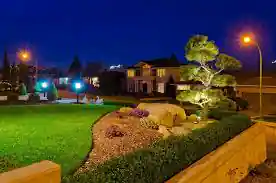
These applications rely on consistent, regulated power to illuminate pathways, accent features like trees and sculptures, and ensure nighttime safety.
Market Trends: Rising Demand for Energy-Efficient Outdoor Lighting
According to Grand View Research, the global outdoor lighting market is expected to reach USD 23.7 billion by 2030, fueled by increased demand for smart lighting systems, energy efficiency, and sustainable landscaping solutions.
Low voltage transformers are a vital component in this trend, as they not only reduce electricity usage but also extend the life of LED fixtures. IEEE has noted in its 2022 lighting systems study that distributed low-voltage systems are becoming the norm in urban landscaping projects due to safer operation and modular control.
Technical Parameters & Practical Run Capacity
Let’s explore the typical specifications:
| Transformer Rating | Maximum Load | Recommended Number of Runs* | Voltage | Notes |
|---|---|---|---|---|
| 100W | 90W | 1–2 runs | 12V | Ideal for small garden setups |
| 300W | 270W | 3–5 runs | 12V/24V | Mid-sized residential use |
| 600W | 540W | 5–8 runs | 12V/24V | Suitable for larger estates |
| 1200W | 1080W | 8–12+ runs | 12V/24V | Commercial or multi-zone use |
*Assumes average run length of 50 feet and <5% voltage drop.
Important Note: While a transformer may have the wattage to support many fixtures, voltage drop—the loss of voltage over distance—can reduce efficiency and cause lights to dim or fail at the end of long runs. This is why run length and cable gauge must be factored in.

Key Differences from Standard Transformers
| Feature | Landscape Transformer | Standard Power Transformer |
|---|---|---|
| Output Voltage | 12V or 24V | 120V or 240V |
| Weatherproof Construction | Yes | Typically No |
| Multiple Tap Options | Yes (11V–15V) | Rare |
| Low Voltage Protection | Built-in thermal/magnetic | Not typically included |
| Usage | Outdoor, lighting-specific | Broad electrical use |
Leading manufacturers like Kichler, FX Luminaire, and Hinkley often include multi-tap features, allowing installers to compensate for voltage drop across long runs by selecting 13V or 14V outputs.
Buying Guide: How to Choose the Right Transformer
Here are some expert tips for choosing the right transformer:
- Calculate your total wattage: Add up the wattage of all lights you plan to install and add a 20% buffer.
- Plan for multiple runs: Break up the load to reduce wire length and voltage drop.
- Choose the right voltage: 12V is standard, but 24V may be better for long-distance applications.
- Look for multi-tap outputs: Ensures stable brightness across different run lengths.
- Check for timers and photocell compatibility: These make your system more efficient and hands-free.
- Weatherproof ratings: Ensure the transformer has an IP65 or higher enclosure for outdoor use.

Industry Authority Support
As per Wikipedia, low voltage systems are considered safer for outdoor applications because the National Electrical Code (NEC) allows direct burial without conduit, reducing installation costs.
ABB and Schneider Electric, two of the largest electrical solution providers globally, have emphasized in white papers that decentralized and energy-efficient systems are the future of residential and commercial outdoor lighting.
FAQ
1. Can I connect all landscape lights to one transformer?
Yes, provided the total wattage does not exceed 80–90% of the transformer’s rated capacity, and proper distribution is planned to avoid voltage drop. For large systems, consider using multiple transformers or zoned control.
2. How far can I run 12V landscape wire without voltage drop?
Typically up to 100 feet with 12-gauge wire and a moderate load. If your run is longer, use thicker cable or switch to a 24V system.
3. Do I need a multi-tap transformer?
If you have long wire runs or varied distances between fixtures and transformer, a multi-tap unit (with 11V to 15V outputs) helps compensate voltage drop and maintain even brightness.
Final Thoughts
A well-chosen low voltage landscape transformer can transform your outdoor space into a safe, elegant, and energy-efficient environment. Whether you’re working on a private garden or a commercial plaza, understanding how many runs your transformer can handle will help you design a reliable lighting system that performs flawlessly over time.
Choose based on wattage, layout, and long-term scalability—and consult with a qualified lighting designer or electrician when in doubt.



 EN
EN  DE
DE  ES
ES  FR
FR  RU
RU  PT
PT  IT
IT  JA
JA  DA
DA  PL
PL  NL
NL  TR
TR