

How To Convert 220v Single Phase To 3 Phase
220V single-phase to 3-phase conversion is necessary for commercial and industrial purposes where three-phase equipment must be used for effective working, such as for welders and heavy machinery. If you are getting a supply of 220V single-phase but require three-phase power, this tutorial will provide you with an understanding of the process, the variety of converters available in the market, and how to choose the perfect 220V single-phase to 3-phase converter.
What is a Single Phase to 3 Phase Converter?
Single-phase to 3-phase converter is a device that converts single-phase power (easily available in houses) to three-phase power (used in industries). Three-phase power is more efficient while using motors and high-power appliances, providing smoother and more stable electricity to devices.
Types of 220V Single Phase to 3 Phase Converters
There are three fundamental kinds of converters you can utilize to convert 220V single-phase to 3-phase:
Static Phase Converter
- Ideal for little applications or machinery that possess low starting loads.
- Operates on the principle of utilizing capacitors to simulate the third phase. However, it is only capable of providing about 50-60% of the power rating of the motor, which means it might not function efficiently for heavy-duty use.
Rotary Phase Converter
- Recommended for high-start power heavy equipment, i.e., compressors, welders, and CNC machines.
- uses a rotating motor to generate the third phase and tends to be more heavy-duty than a static converter.
Digital Phase Converter
- Offers a more reliable and efficient solution by creating a balanced 3-phase output.
- Suitable for heavy-duty industrial equipment, this type of converter uses digital signal processing for precise control and voltage balancing.

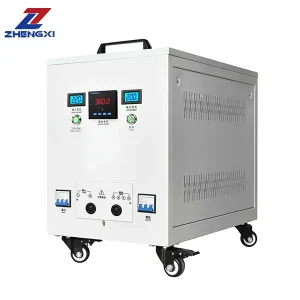
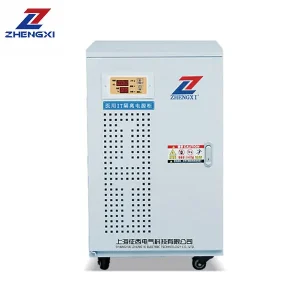
Key Factors When Choosing a 220V Single Phase to 3 Phase Converter
Selecting the right 220V single-phase to 3-phase converter depends on several factors. Here’s how you can determine the best converter for your needs:
1. Power Requirements
Calculate your load’s horsepower: Knowing the horsepower (HP) of your equipment helps you choose a converter that can handle the power load. For example, a 220V single-phase to 3-phase converter for welder typically needs to handle the high surge of power when the welder starts up.
General Rule of Thumb: For typical applications, the converter size should be about twice the size of your motor’s horsepower (2:1 ratio).
2. Load Type
- Light Loads: Machines like drill presses or table saws that don’t have significant starting torque.
- Medium Loads: CNC machines or lathes that require a constant supply of power.
- Heavy Loads: Equipment such as air compressors, HVAC systems, and welders, which require high starting power.
3. Input and Output Voltage
- Input Voltage Options: Many converters support a variety of input voltages, including 110V, 120V, 220V, 230V, 240V, 415V, 440V, and 480V.
- Output Voltage Options: Common output voltages include 220V, 380V, 400V, 415V, 440V, and 480V. Ensure the converter matches your equipment’s voltage requirements.
4. Frequency Considerations
Frequency: Most converters support either 50Hz or 60Hz. Be sure to match the converter’s frequency to your local utility’s frequency for optimal performance.
How Does a Single Phase to 3 Phase Converter Work?
The operation of a single-phase to 3-phase converter typically includes two significant components: a capacitor and a voltage-sensitive relay. Here’s how it works:
- Start-Up: The capacitor holds back the waveform during the start-up phase of the motor.
- Relay Function: As soon as the motor starts running, the relay opens and switches off the start capacitor so that the motor is able to operate on single-phase power.
- Performance: Static phase converters deliver 50-60% rated motor power, while rotary and digital converters deliver full power and are more efficient for high-demand applications.
Tips for Buying a Phase Converter
When purchasing a single-phase to 3-phase converter, consider the following factors to ensure you select the right one for your needs:
Check Your Available Single-Phase Power
- To calculate the necessary single-phase power, use this formula:
- Three-phase amps×1.6=Single-phase amps Then add a 20% cushion:
- Single-phase amps×1.2
Understand Your Load Type
- Light Load: For light-duty machines.
- Medium Load: For equipment like CNC machines.
- Heavy Load: For high-power machines like welders and industrial motors.
Know the Size of Your Load
Ensure the converter you select can handle the horsepower, amps, and kilowatts of your load.
Indoor or Outdoor Use?
Ensure the converter is suitable for the environment in which it will be used (e.g., protection from dust, metal shavings, or harsh weather).
How to Install a Phase Converter
Proper installation of your phase converter is crucial for ensuring its longevity and efficiency. Here are some general guidelines:
- Use a Qualified Electrician: Always hire a licensed professional for installation.
- Ensure Proper Ventilation: Keep the converter’s vents clear of dust or debris to avoid overheating.
- Location Matters: Install the converter in a shaded area to prevent temperature-related damage.
Phase Converter vs. VFD: Which to Use?
While both phase converters and variable frequency drives (VFDs) convert power, they have different applications:
- Phase Converters: Best for machines that require three-phase power but don’t have access to it.
- VFDs: Provide more precise control of motor speed and are ideal for machines that require variable speed, like pumps or mixers.
Advantages of Phase Converters:
- Easy to install with less wiring.
- Can run multiple machines simultaneously.
Advantages of VFDs:
- Energy-saving and precise speed control.
- Suitable for machines requiring variable speed.
Maintenance and Care of Phase Converters
- Maintaining your phase converter is essential for its continued performance. Here’s a basic maintenance guide:
- Inspect Vents and Generator: Keep vents clear of dust, and clean the generator regularly.
- Check Power and Control Components: Regularly check for loose wires or components that may need attention.

 EN
EN  DE
DE  ES
ES  FR
FR  RU
RU  PT
PT  IT
IT  JA
JA  DA
DA  PL
PL  NL
NL  TR
TR