

Spanish voltage explained: Do you need a voltage converter?
◴2024-11-20
It is very important while planning a trip or an installation in Spain to be familiar with the local voltage, power quality and plug types. Some key information about the electrical system of Spain is given here to help.
1. Power quality in Spain
With high power quality, extensive grid coverage, and mature infrastructure, Spain is a country with high power quality. In most areas, the supply of electricity is stable, and it is relatively seldom to have a power cut. Due to the relatively mild climate of Spain, the grid is also subject to low seasonal load pressure. However, voltage fluctuations may occur in those remote areas or buildings with old grids.
2. The Spanish electricity sector
Spain’s electric industry is relatively developed, and the operation and maintenance of the power grid are undertaken with much prominence by Red Eléctrica de España. The energy transition in the country is going full-swing, with more and more electricity being supplied by wind and solar energies. In regard to electricity prices for households and businesses, Spain’s rates are still middle-range in Europe. Notwithstanding the tax and environmental policies will impinge on the cost of electricity.
3. What is the voltage in Spain?
The standard voltage is 230 V, with a standard frequency of 50 Hz. Most countries in Europe use the same standard voltage, so many appliances from other parts of Europe can be directly used in Spain without having to change the equipment.
4. Does Spain need a voltage converter?
It depends on what voltage your appliance was originally designed for:
If your electric appliance supports 230V/50Hz: no need for a step up down transformer and voltage converter, just plug it directly.
If your electric appliance is made for 110V: e.g., United States, Japan – you’ll need a voltage converter if you don’t want to damage the appliance or incur a safety risk in your home.
Even if the voltages would be compatible, make sure the plug and socket shapes match.
5. Types of plugs and sockets in Spain
The socket types used in Spain are Type C and Type F:
Type C plug: Two round pins, most common.
Type F plug: Similar to Type C plug, but with added grounding metal contacts on both sides, suitable for higher power appliances.
If the appliance’s plug type is not one of the above, then you can find a plug converter for it. This converter is cheap and light to carry.


VI. Conclusion
Spain’s electrical system is stable and standardized, which highly facilitates tourism and businesses for the majority of European countries. Meanwhile, if you intend to bring equipment from North American or Asian regions with different voltages, make sure in advance that the relevant voltage converter and plug adapter are prepared. Additionally, in order for electrical appliances to work properly in Spain, choosing high-quality conversion equipment is recommended to avoid accidental damage or electrical safety issues.
Whether you are traveling for a short period of time or living here for a long period of time, knowing this basic information can bring more convenience to your life and work.
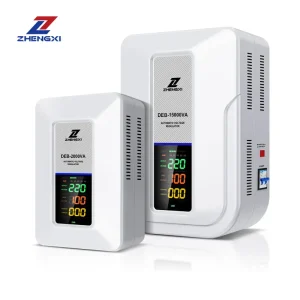
For more information about voltage regulators and voltage converters, welcome to visit our product page or contact our professional team, we will provide you with the best solution!


 EN
EN  DE
DE  ES
ES  FR
FR  RU
RU  PT
PT  IT
IT  JA
JA  DA
DA  PL
PL  NL
NL  TR
TR