

Sourcing electrical equipment is a common practice in the modern global market. However, one major problem is often underestimated: voltage mismatch.
Are you importing 110V equipment from North America and planning to use it in 220V countries such as Asia, Europe, or Africa? The wrong choice may cause equipment failure, production downtime, or even threaten lives.
This guide is designed for distributors, contractors, and industrial buyers, helping you choose the right 110V to 220V voltage converter based on practical applications, rather than just theory.
What Is a 110V to 220V Voltage Converter?
A “110V to 220V converter” or “step-up transformer” is specifically designed to convert and increase the voltage levels to ensure your devices can run under optimal conditions.
From an operational standpoint, this means:
- Voltage stability
- Preservation of internal components
- Optimal long-term performance
A high-end converter can offer an efficiency rate of up to 95% to 98%, thus reducing energy loss and heat buildup.
Quick Answer
How do I select the appropriate 110V to 220V voltage converter?
To select the appropriate voltage converter, the following requirements need to be met:
Equipment Wattage Requirement (25-50% margin)
Determine the type of Load (Resistive or Inductive Load)
Voltage and Frequency Compatibility
Determine the Type of Converter Required (For Home or Industrial Use)
Application Scenarios
- Home & Commercial Use
Imported kitchen appliances (coffee machines, ovens)
Office equipment and IT
Smart home devices
👉 These usually require the use of portable, plug-and-play voltage converters (100W-3000W).
- Industrial Applications
CNC machines and production lines
HVAC and building equipment
Automation and robotics
Laboratory and testing equipment
Water bottling machine
👉 In these cases, industrial voltage converters or step-up transformers are usually required (10kVA-500kVA+).
⚠️ Important: Note that industrial equipment often requires custom solutions with stabilizers or isolation transformers to ensure optimal performance.
Key Technical Parameters
- Power Rating (Most Critical)
Always oversize your converter by 25%–50%.
Example:
Equipment: 1000W
Recommended converter: 1500W
👉 Why it matters:
Undersized converters are the #1 cause of overheating and failure.
- Input / Output Voltage
Input: 110V
Output: 220V / 230V / 240V
Make sure it matches your local grid.
- Load Type (Often Overlooked)
Resistive loads → stable (heaters, ovens)
Inductive loads → high startup surge (motors, compressors)
👉 For motors, choose a converter with 2–3× surge capacity.
- Frequency Compatibility
50Hz vs 60Hz differences can affect:
Motor speed
Timing circuits
👉 Tip: Frequency mismatch can damage sensitive equipment—don’t ignore this.
- Build Quality
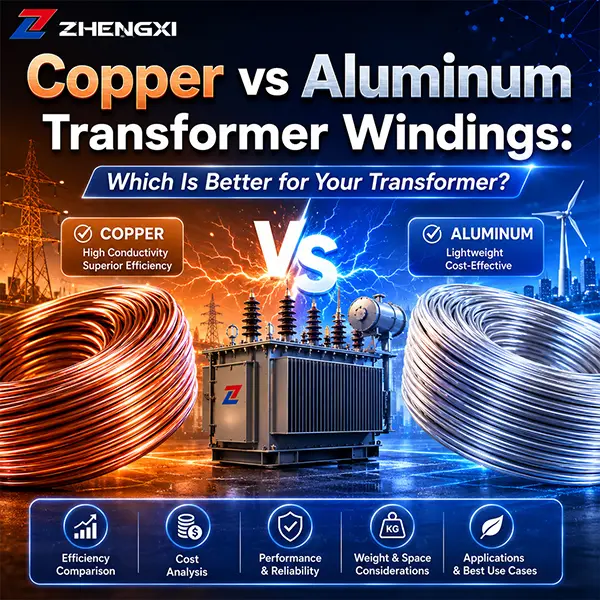
Copper windings (recommended)
High insulation class
Reliable cooling system
👉 Industrial buyers should always prioritize copper transformers for efficiency and lifespan.
- Cooling System
Air-cooled → home & light commercial
Oil-cooled → heavy industrial use
Converter vs Stabilizer vs Transformer

| Feature | Voltage Converter | Voltage Stabilizer | Isolation Transformer |
|---|---|---|---|
| Function | Voltage step-up/down | Voltage regulation | Electrical isolation |
| Use Case | Cross-voltage equipment | Unstable power supply | Sensitive equipment |
| Complexity | Medium | High | High |
👉 Quick Recommendation:
- Stable grid → use converter
- Unstable voltage → add stabilizer
- Sensitive equipment → use isolation transformer
Industrial vs Home Converters
Home Voltage Converters
- Compact & portable
- 100W–3000W capacity
- Plug-and-play
Industrial Voltage Converters
- 10kVA–500kVA+
- Custom-built configurations
- Advanced protections (overload, short circuit, thermal)
👉 Many industrial systems also include monitoring and control features for safety and performance tracking.
Step-by-Step Selection Guide (Buyer Checklist)
Before purchasing, go through this checklist:
✔ Confirm equipment wattage (W or kW)
✔ Add at least 30% safety margin
✔ Identify load type (motor or resistive)
✔ Check voltage and frequency compatibility
✔ Choose the correct converter type
✔ Verify certifications (IEC / CE / UL)
✔ Evaluate material quality (copper vs aluminum)
Expert Buying Tips (From Real Projects)
Never choose a converter based only on price
Undersized units will fail quickly under load
Always consider future expansion capacity
Use stabilizers in regions with unstable grids
Work with a reliable voltage converter manufacturer for industrial projects
FAQ
Not always. Devices with motors or sensitive electronics may require specific configurations or stable output.
It can cause:
Overheating
Voltage drops
Permanent equipment damage
In most cases, a voltage converter is essentially a transformer. However, industrial applications may require advanced transformer systems with regulation and protection features.
Why Choosing the Right Converter Matters
A properly selected 110V to 220V voltage converter ensures:
Stable and safe operation
Reduced energy loss
Longer equipment lifespan
Lower maintenance costs
For industrial users, it directly impacts production efficiency and operational reliability.
Get the Right Solution for Your Application
Choosing the right voltage converter is not just about voltage—it’s about matching your exact load, environment, and long-term usage.
At ZHENGXI, we specialize in:
Industrial 110V to 220V voltage converters
Heavy-duty step-up transformers
Customized voltage stabilizer solutions
👉 Whether you need a solution for a single machine or a full production line, our engineering team can help you select the most cost-effective and reliable configuration.
Contact us today for a free technical consultation and quotation.



 EN
EN  DE
DE  ES
ES  FR
FR  RU
RU  PT
PT  IT
IT  JA
JA  DA
DA  PL
PL  NL
NL  TR
TR