

Transformer impedance is one of the important parameters that dictate the behavior of transformers in electrical systems. It is the opposition to the flow of alternating current through a transformer, which results from the combined effects of the resistance in the windings and the reactance produced by the transformer’s magnetic field. Impedance plays a very important role in determining the efficiency, protection mechanisms, and overall performance of the transformer.
What is Transformer Impedance?
In simple terms, transformer impedance is the ratio between the voltage drop across the transformer under full-load conditions and rated current. It is usually expressed as a percentage, meaning a percentage of the rated voltage necessary to produce full load current through the transformer. Impedance is a measure that combines the resistive and reactive components in the transformer:
· Resistance is the opposition due to the copper windings of the transformer.
· Reactance is the opposition to AC due to the magnetic field generated by the transformer’s core.
The value of impedance will depend on the design of the transformer, the number of turns, and the core material. Transformers with larger capacities tend to have higher impedance values, as more turns are required in the winding and the core material might have higher reactance.
Transformer Impedance Formula
The percentage impedance can be determined by the following:
Z%=(Short Circuit Voltage×100)/Rated Voltage
This formula helps calculate the impedance based on the short-circuit voltage of a transformer and its rated voltage. For example, assuming the short-circuit voltage is 104V while the rated voltage is 4160V:
Z\% = \left(\frac{104 \times 100}{4160}\right = 2.5\%
Functions of Transformer Impedance
1.Short-Circuit Protection
Transformer impedance resists excessive current flow in case of a short circuit. In case of a fault in the electrical system, the impedance limits the fault current and saves the transformer and other equipment from damage.
2. Voltage Regulation
The impedance of a transformer decides the voltage regulation under varied loads. The higher the impedance, the larger will be the drop in voltage, especially when the transformer is under full load conditions. This results in poorer voltage regulation, with higher fluctuation in output voltage that can be harmful to sensitive electrical equipment.
3. System Efficiency
Impedance also affects the efficiency of the transformer. Higher impedance can lead to increased losses due to resistance in the windings, which involves more heat production. While a lower impedance may achieve better efficiency, it could have higher fault currents, which can call for stronger equipment for its protection.
4. Influence on Transformer Rating
The impedance of a transformer influences its sizing for an application. Larger transformers, which are of higher capacity, usually have higher impedances to manage the increase in load. Impedance is a quantity that must be balanced with care so that the transformer will be able to bear full load conditions without excessive losses and risk of equipment damage.
High vs. Low Impedance Transformers
High Impedance: These transformers afford better insulation from short circuits and surge in power; however, voltage drops and losses would usually be higher.
·Low Impedance: The above types normally have lesser losses and offer good voltage regulation but result in the risk of higher short-circuit current that can lead to stress in the system.
Measuring Transformer Impedance
One of the most common tests to measure transformer impedance is a short-circuit test. In this test:
1. A voltage is applied to the high-voltage windings while the low-voltage windings are short-circuited.
2.The voltage and current are measured during the test to determine the impedance.
Conclusion
Transformer impedance is one of the most important factors that determine the performance and efficiency of transformers in an electrical system. It limits fault currents, influences voltage regulation, and thus plays a role in overall system efficiency. A designer of transformers has to balance impedance carefully to make the transformer operate safely and efficiently.
Understanding the impedance of a transformer is vital in electrical power systems operating, whether in design, installation, or usage, since it affects the safety, reliability, and performance of the system.
Related Products
-
 DZW 220v to 380v single phase to 3 phase transformer
 -
 SBK 0.3Kva-5Kva Three-Phase Dry Type Isolation Transformer
 -
 QSG 10kva-100kva 3 Phase Dry-Type Autotransformer
 -
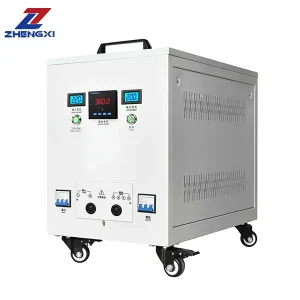 DZW 220v to 440v Single Phase To Three Phase Isolation Transformer
 -
 SG 10kva-100kva 3 Phase Indoor Low Voltage Dry Type Isolation Transformer
 -
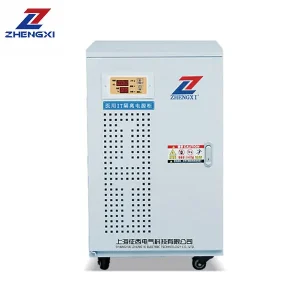 ES710 Medical Isolation Transformer – Single & Three-Phase Options



 EN
EN  DE
DE  ES
ES  FR
FR  RU
RU  PT
PT  IT
IT  JA
JA  DA
DA  PL
PL  NL
NL  TR
TR